Protein Powder Prices
886 products tracked. Protein powder is the most widely used sports supplement, an easy way to reach a daily protein target. Whey is absorbed quickly, casein more slowly, and plant blends suit dairy-free diets.
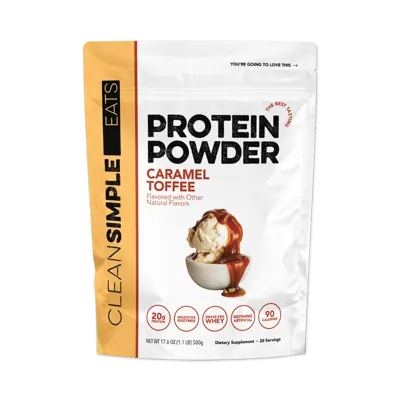
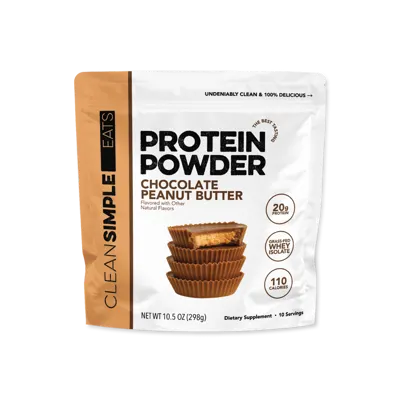
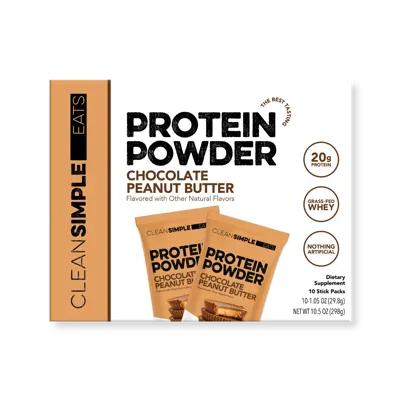
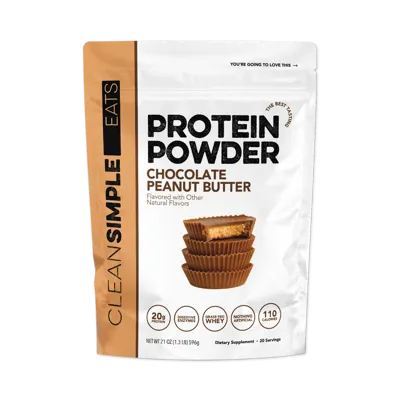
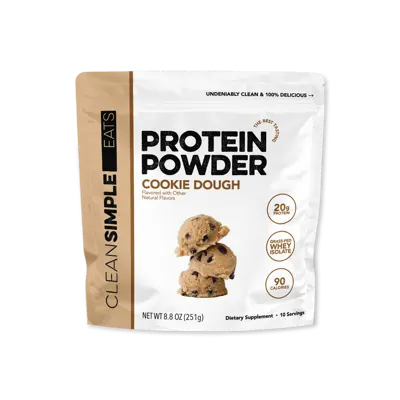
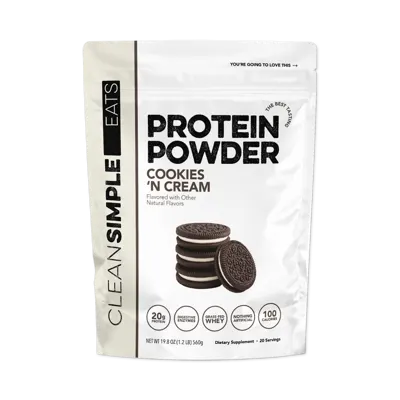
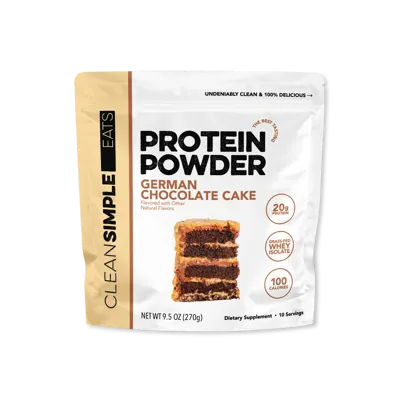
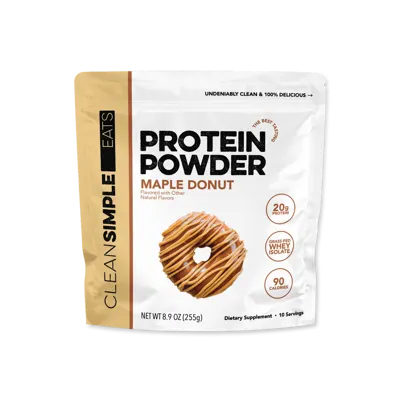
Page 31 of 37 (886 products)
Protein Powder: Frequently Asked Questions
What should I look for when choosing a protein powder?
Look at the cost of a serving and how many grams of protein that serving has, not the tub price. Of two products at the same price, one can have noticeably less protein per serving. The serving size and number of servings on the label are the basis for this comparison.
Is whey isolate better than concentrate?
Both are whey; the difference is processing. Isolate is filtered more, so it is higher in protein and lower in lactose and fat, an advantage if you are lactose sensitive. Concentrate is cheaper and enough for most people. "More expensive is better for everyone" isn't true.
When should I drink a protein shake?
The idea of a critical 30-minute window after training is not as strongly supported as it once was. Current thinking is that total daily protein matters far more than timing. Drinking one after training is still a practical habit.
How many scoops of protein powder a day?
It depends on your daily protein target and how much you get from meals. For most people, 1-2 scoops a day cover the gap left by food. Think of protein powder as a supplement to meals, not the main source.
Is protein powder bad for your kidneys?
There is no strong evidence that a reasonable protein intake causes kidney damage in healthy people. It is different with an existing kidney condition; in that case protein intake should be discussed with a doctor.
Why does protein powder make me bloated?
In some people whey concentrate causes bloating or digestive discomfort because of its lactose. If you are lactose sensitive, isolate or plant proteins are worth considering; some products also add digestive enzymes to reduce this.
Should I mix it with milk or water?
Either works; the difference is calories and texture. With water you get only the powder's calories. With milk the shake is creamier and adds calories and protein, useful if you are trying to gain weight and something to count if you track calories.
Why do protein powder prices vary so much?
The protein source (concentrate, isolate, hydrolyzed, plant), tub size, flavor and brand positioning set the price. Bigger tubs usually cost less per serving, so the cheapest tub and the cheapest serving are often not the same product.
Should I take it on rest days too?
Yes, if you can't reach your daily protein target with food. Muscles don't only repair on training days; protein needs continue every day.
Comparing protein powders means looking past the tub size to objective numbers: protein per serving, cost per gram of protein, protein type (whey concentrate, isolate, casein, plant) and purity. Checking how many grams of protein a serving really has, and what that costs, avoids the most common mistake: assuming the biggest tub is the best deal.
Types of Protein Powder and How They Differ
Most protein powders are dairy-based: whey and casein. Whey concentrate (WPC) is the most common and usually the cheapest, typically 70-80% protein with small amounts of fat and lactose. Whey isolate (WPI) goes through an extra filtration step, reaching 85-95% protein with almost no lactose, which is why people with lactose sensitivity often choose it.
Casein also comes from milk but digests much more slowly (whey in minutes, casein over hours), so it is usually taken when a longer, steady supply of protein is wanted, such as before bed, rather than for quick post-workout recovery.
Plant proteins (pea, rice, hemp, soy or blends) contain no dairy and are the option for vegan or lactose-intolerant users. A single plant source often has an incomplete amino acid profile (rice is low in lysine, pea in methionine), so good plant products usually blend several sources.
| Type | Protein Content | Lactose | Digestion | Best For |
|---|---|---|---|---|
| Whey Concentrate (WPC) | 70-80% | Low-moderate | Fast | Everyday use, lower price |
| Whey Isolate (WPI) | 85-95% | Almost none | Fast | Lactose sensitivity, low-calorie goals |
| Casein | 80-90% | Low | Slow | Before bed, long gaps between meals |
| Plant (blend) | 70-80% | None | Moderate | Vegan or lactose intolerance |
What to Look for When Comparing Prices
Comparing two products by tub price is misleading. A 5 lb tub may look "cheaper" than a 2 lb one, but if the protein per serving differs, the real cost can be the other way around. The right unit is the cost of protein: tub price ÷ (servings per tub × grams of protein per serving).
WheyProof runs this calculation automatically when the brand publishes its serving size and protein per serving, and shows it as the price per serving. When the brand does not publish it, we show no estimate; the field stays empty.
What Are Bioavailability and Amino Acid Profile?
Bioavailability describes how much of the protein you take in the body can actually use; the total grams on the label don't tell the whole story. Whey is generally considered highly bioavailable because it is absorbed quickly and is rich in leucine, the branched-chain amino acid most associated with triggering muscle protein synthesis.
The International Society of Sports Nutrition (ISSN) suggests considering leucine per serving (a threshold of roughly 2-3 g) when comparing proteins. It is a closer answer to "how much of this protein does the job" than grams of protein alone.
Why Third-Party Testing Matters
In the US, the FDA does not approve dietary supplements before they are sold, and label claims can differ from what is in the tub. One known practice is "amino spiking": adding cheap free amino acids to inflate the protein number. Independent programs such as NSF Certified for Sport or Informed Sport mean a third party has tested that the product contains what the label says and no banned substances.
WheyProof doesn't track these certifications as a separate field yet. When evaluating a product, checking whether the brand's own product page mentions one adds an extra layer of confidence.
Concentrate or Isolate: Which Should You Choose?
Both are good options; the right answer depends on your needs. If budget matters most and you have no lactose sensitivity, whey concentrate usually offers the better price per gram. If you are sensitive to lactose, cutting calories (isolate has less fat and carbohydrate) or want higher protein purity, isolate can be worth the difference.