Vitamins & Minerals Prices
675 products tracked. Vitamins and minerals cover everyday nutrition gaps, from multivitamins and fish oil to magnesium, zinc and vitamin D.
| Product | Variant | Price | Discount | Status | |
|---|---|---|---|---|---|
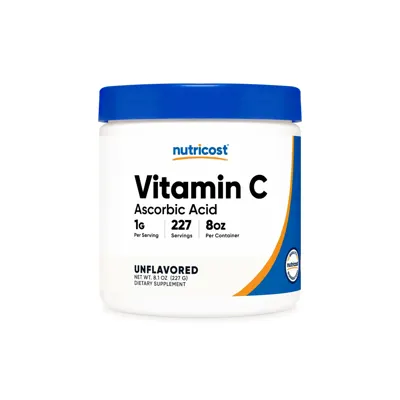 Nutricost Nutricost Vitamin C Powder - 2 lb | 2 lb | $29.97 | — | 3 hours ago | Go to store |
| 120 capsules | $15.97 | — | 3 hours ago | Go to store | |
| 240 capsules | $19.97 | — | 3 hours ago | Go to store | |
| 30 capsules | $9.97 | — | 3 hours ago | Go to store | |
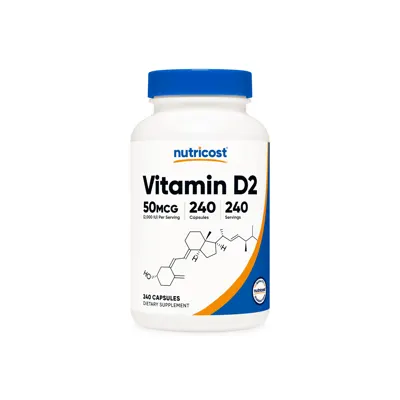 Nutricost Nutricost Vitamin D2 | $16.97 | — | 3 hours ago | Go to store | |
| 3 gummies | $15.97 | — | 3 hours ago | Go to store | |
| 3 softgels | $14.97 | — | 3 hours ago | Go to store | |
| 3 softgels | $18.97 | — | 3 hours ago | Go to store | |
| 3 softgels | $14.97 | — | 3 hours ago | Go to store | |
| 3 softgels | $14.97 | — | 3 hours ago | Go to store | |
$27.97 | — | 3 hours ago | Go to store | ||
$20.97 | — | 3 hours ago | Go to store | ||
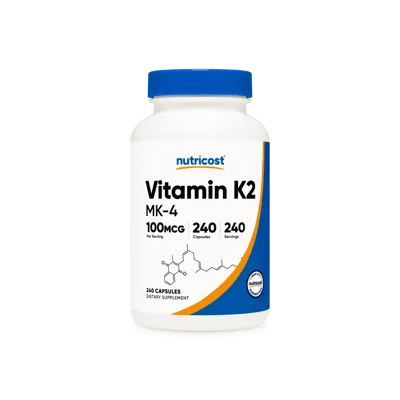 Nutricost Nutricost Vitamin K2 (MK4) Capsules | $16.97 | — | 3 hours ago | Go to store | |
| 3 softgels | $16.97 | — | 3 hours ago | Go to store | |
| 7 softgels | $15.97 | — | 3 hours ago | Go to store | |
| 7 softgels | $19.97 | — | 3 hours ago | Go to store | |
| 7 softgels | $13.97 | — | 3 hours ago | Go to store | |
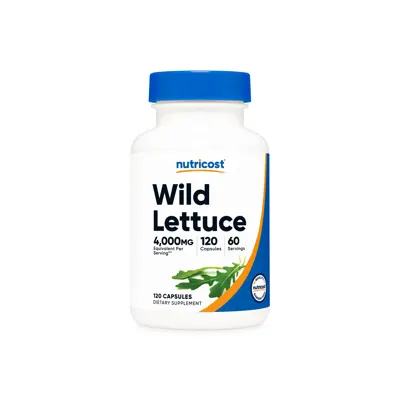 Nutricost Nutricost Wild Lettuce Extract | $13.97 | — | 3 hours ago | Go to store | |
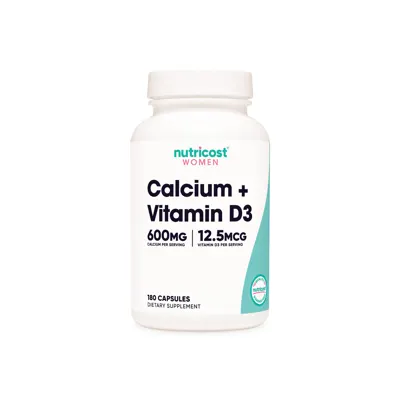 Nutricost Nutricost Women Calcium + Vitamin D3 | $16.97 | — | 3 hours ago | Go to store | |
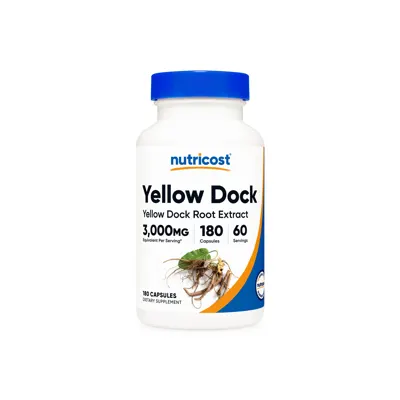 Nutricost Nutricost Yellow Dock Extract | $11.97 | — | 3 hours ago | Go to store | |
$16.97 | — | 3 hours ago | Go to store | ||
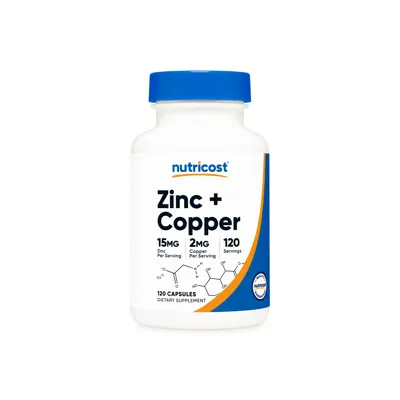 Nutricost Nutricost Zinc + Copper Capsules | $14.97 | — | 3 hours ago | Go to store | |
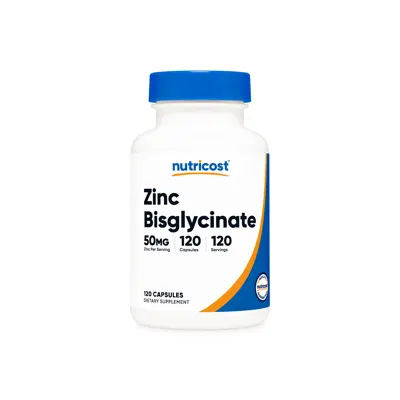 Nutricost Nutricost Zinc Bisglycinate | $13.97 | — | 3 hours ago | Go to store | |
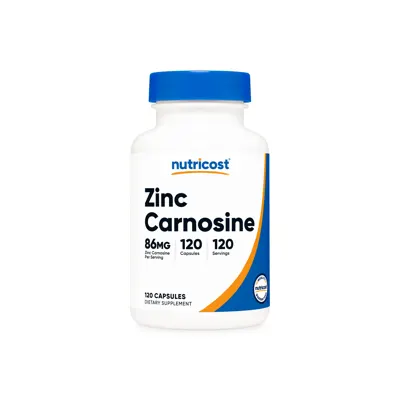 Nutricost Nutricost Zinc Carnosine Capsules | $21.97 | — | 3 hours ago | Go to store |
Page 24 of 29 (675 products)
Vitamins & Minerals: Frequently Asked Questions
Does everyone need a vitamin supplement?
No. With a balanced, varied diet you can get most vitamins from food. Supplements make sense for a specific deficiency or an increased need, which is best identified with a blood test rather than guessed.
Multivitamin or single vitamins?
A multivitamin offers broad but low-dose coverage. For a specific deficiency (vitamin D, for example), a single, appropriately dosed product usually makes more sense. "A little of everything" isn't always the best answer.
When and how should I take vitamin D?
Vitamin D is fat-soluble, so taking it with a meal that contains fat is commonly recommended for absorption. The right dose varies by person; high doses need a doctor's supervision.
What does magnesium do?
Magnesium plays a role in muscle and nerve function and energy metabolism. It is popular among athletes for cramps and sleep quality; its forms (citrate, glycinate) differ in absorption and how they sit in the stomach.
When do I need a zinc supplement?
Zinc is linked to immune function and hormone balance. Long-term high doses can interfere with copper absorption, so talk to a health professional before long-term use.
When is omega-3 used?
It is used to cover omega-3 intake for people who eat little fish. Products differ a lot in EPA and DHA content; compare EPA/DHA per serving rather than the number of capsules.
Should vitamins be taken on an empty stomach?
Fat-soluble vitamins (A, D, E, K) absorb better with a meal that has fat. Water-soluble ones can be taken on an empty stomach but may upset it in some people; taking them with food usually solves that.
The key question when comparing vitamin and mineral supplements is whether you need to cover a specific deficiency (vitamin D, for example) or want general support. Multivitamins offer broad but low-dose coverage, while single vitamins address a targeted need at a higher dose.
Multivitamin or Single Vitamin?
Multivitamins contain many vitamins and minerals at low to moderate doses to help prevent general gaps; they don't target a specific deficiency. If a blood test shows one (vitamin D, iron, B12), a single, appropriately dosed supplement is usually more effective than the small amount in a multivitamin.
Absorption and Forms
Some vitamins come in more than one chemical form with different absorption. For vitamin B12, for example, there is cyanocobalamin (common and cheap) and methylcobalamin (an active form). The form shows in the price, so ask not just "does it have B12" but "which form".
Fat-Soluble and Water-Soluble Vitamins
Vitamins A, D, E and K are fat-soluble and can be stored in the body, so very high doses over long periods (especially A and D) carry a theoretical risk of buildup. B vitamins and vitamin C are water-soluble, and excess is mostly excreted. That is why "more is always better" is wrong.
Needs of People Who Train
Vitamin D and magnesium shortfalls are relatively common in people who train regularly (indoor training, minerals lost in sweat), but generalizations don't replace a personal blood test, the most reliable way to know what you need.
What to Look for When Comparing Prices
Compare the amount of each ingredient per serving against its Daily Value (%DV) on the Supplement Facts panel. Some cheap products list many vitamins but contain very little of each.