Mass Gainers Prices
87 products tracked. Mass gainers pack protein with a large dose of carbohydrates and calories for people who struggle to eat enough to gain weight.
| Product | Variant | Price | Discount | Status | |
|---|---|---|---|---|---|
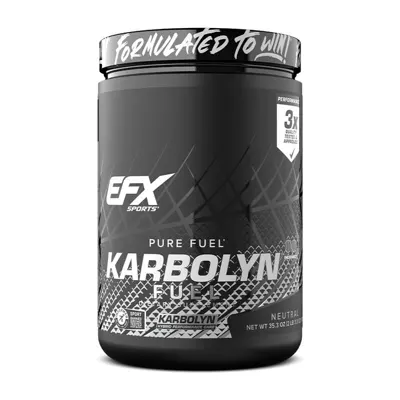 EFX Sports Efx Sports Karbolyn Fuel - 18 | $32.49 | — | 16 minutes ago | Go to store | |
EFX Sports Efx Sports Karbolyn Fuel - 36 | $49.99 | — | 16 minutes ago | Go to store | |
$25.99 | — | 16 minutes ago | Go to store | ||
$25.99 | — | 16 minutes ago | Go to store | ||
$25.99 | — | 16 minutes ago | Go to store | ||
$25.99 | — | 16 minutes ago | Go to store | ||
$25.99 | — | 16 minutes ago | Go to store | ||
$25.99 | — | 16 minutes ago | Go to store | ||
$25.99 | — | 16 minutes ago | Go to store | ||
$25.99 | — | 16 minutes ago | Go to store | ||
$25.99 | — | 16 minutes ago | Go to store | ||
$25.99 | — | 16 minutes ago | Go to store | ||
$25.99 | — | 16 minutes ago | Go to store | ||
$25.99 | — | 16 minutes ago | Go to store | ||
$25.99 | — | 16 minutes ago | Go to store | ||
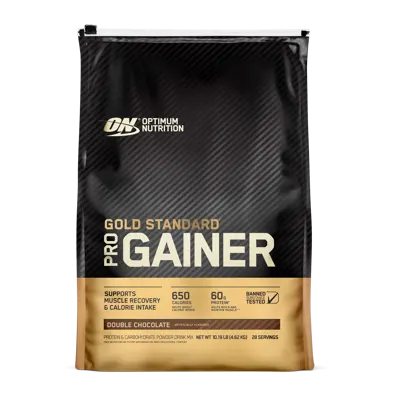 Optimum Nutrition Gold Standard® Pro Gainer - 14 Servings (5.09 lb) | 5.09 lb | $109.99 | — | 16 minutes ago | Go to store |
Optimum Nutrition Gold Standard® Pro Gainer - 28 Servings (10.19 lb) | 10.19 lb | $166.49 | — | 16 minutes ago | Go to store |
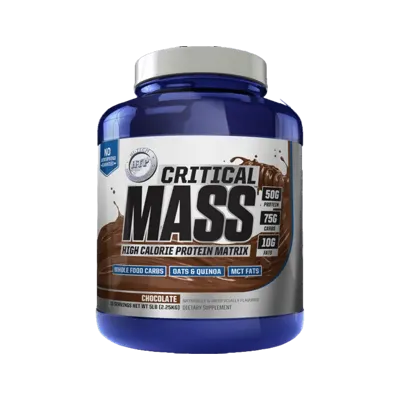 Hi-Tech Pharma Hi-Tech Pharma Critical Mass | $39.99 | — | 16 minutes ago | Go to store | |
| 1 lb Out of stock | $24.99 | — | 16 minutes ago | Go to store | |
| 3 lb Out of stock | $79.99 | — | 16 minutes ago | Go to store | |
| 7.5 lb Out of stock | $161.99 | — | 16 minutes ago | Go to store | |
| 12 lb | $99.99 | — | 16 minutes ago | Go to store | |
| 6 lb | $54.99 | — | 16 minutes ago | Go to store | |
 BulkSupplements Maltodextrin Powder - Powder / 1 Kilogram (2.2 lbs) | 1 kg | $24.97 | — | 18 minutes ago | Go to store |
Page 2 of 4 (87 products)
Mass Gainers: Frequently Asked Questions
What is a mass gainer, and how is it different from protein powder?
A gainer contains a lot of carbohydrate alongside protein, with many calories per serving. Protein powder mainly covers a protein gap, while a gainer is designed for people who struggle to reach their daily calorie target.
Who is a mass gainer for?
It can be a practical option for people who find it hard to eat enough and are trying to gain weight. For someone already in a calorie surplus it isn't needed; regular protein powder and food offer more control.
Will a mass gainer make me fat?
A gainer is still calories. Eat above your daily needs and part of the weight gained is stored as fat. How much becomes muscle versus fat depends on your training and the size of the surplus.
How do I use a mass gainer?
Servings are usually large (over 100 grams in some products). If a full serving at once is too much, splitting it is common. Treat it as an addition to meals, not a replacement.
What can I use instead of a gainer?
High-calorie shakes made with oats, milk, bananas and peanut butter can do a similar job. A gainer's advantage is convenience, not that it is the only nutritious option.
Why do mass gainer prices vary?
Tub size, the protein-to-carb ratio and the protein source affect the price. Gainer tubs are large, so the price per pound can look low; compare cost per serving instead.
When should I drink a mass gainer?
Timing isn't critical; total daily calories are. After training or between meals are practical times to add calories without spoiling your appetite.
When comparing mass gainers, the key criteria are calories per serving and the split of carbohydrate, protein and fat. Unlike standard protein powders, gainers are designed to make a high calorie intake easier, so they shouldn't be compared the same way (by protein alone).
What Is a Gainer, and Who Is It For?
A gainer contains far more carbohydrate than a standard protein powder (usually maltodextrin or another fast-digesting source), with anywhere from about 300 to over 1,200 calories per serving. It is a practical option for people who struggle to eat enough to reach their calorie target and want to gain weight.
For someone who gains weight easily or tends to add fat, a gainer usually isn't necessary; a regular protein powder plus adequate meals is enough.
Calorie Density and Macro Split
Calorie density varies widely: some servings are around 300 calories (closer to a high-protein snack), others exceed 1,000. Compare them by which fits your intended daily surplus, not by tub price.
Watch the Sugar and Maltodextrin
In cheaper gainers, most of the calories often come from simple sugar or maltodextrin, which provide quick energy but can spike blood sugar. Better products diversify carbohydrate sources (oats, sweet potato flour). The carbohydrate source on the label says more than total calories alone.
How It Differs From Protein Powder
A standard whey protein is usually 100-150 calories per serving and low in carbohydrate; a gainer deliberately raises calorie density. For someone who only wants to cover protein needs without gaining weight, a gainer is the wrong choice: the two serve different goals.
Cost per Calorie When Comparing Prices
For gainers the most meaningful unit is usually cost per calorie, not just per gram of protein, since the product's main job is supplying calories. Two gainers at the same price can differ a lot if their calories per serving differ.