Hydration & Electrolytes Prices
96 products tracked. Hydration and electrolyte mixes add sodium, potassium and magnesium to water, for long sessions, hot weather or low-carb diets.
| Product | Variant | Price | Discount | Status | |
|---|---|---|---|---|---|
$15.97 | — | 51 minutes ago | Go to store | ||
| 120 servings | $30.97 | — | 51 minutes ago | Go to store | |
 Nutricost Nutricost Electrolytes - 60 Servings | 60 servings | $19.97 | — | 51 minutes ago | Go to store |
| 40 pack | $27.97 | — | 51 minutes ago | Go to store | |
$19.97 | — | 51 minutes ago | Go to store | ||
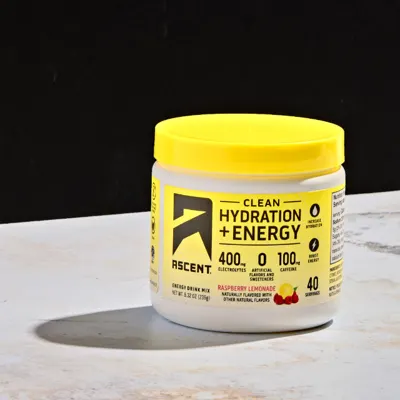
 Nutricost Nutricost Hydration + Energy Powder | $20.97 | — | 51 minutes ago | Go to store | |
| 40 servings | $19.99 $29.99 | Store -33.3% | 50 minutes ago | Go to store | |
| 20 servings | $29.99 | — | 50 minutes ago | Go to store | |
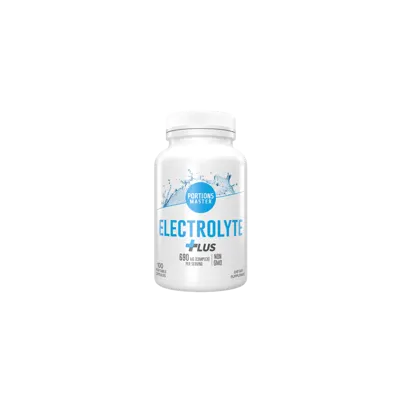 Portions Master Portions Master Electrolyte Plus - 100 Vcaps | 100 capsules | $29.99 | — | 49 minutes ago | Go to store |
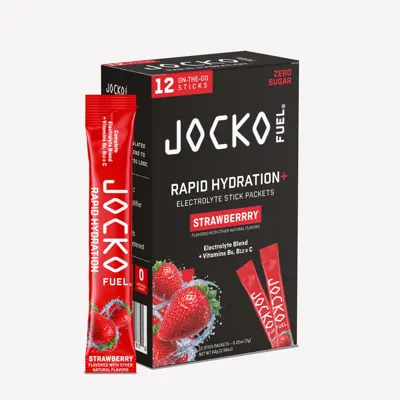 Jocko Fuel Rapid Hydration+ (12-Pack) | $19.99 | — | 50 minutes ago | Go to store | |
$42.00 | — | 50 minutes ago | Go to store | ||
| 40 servings | $19.99 $29.99 | Store -33.3% | 50 minutes ago | Go to store | |
$42.00 | — | 50 minutes ago | Go to store | ||
$42.00 | — | 50 minutes ago | Go to store | ||
$42.00 | — | 50 minutes ago | Go to store | ||
| 30 servings | $42.00 | — | 50 minutes ago | Go to store | |
$42.00 | — | 50 minutes ago | Go to store | ||
$42.00 | — | 50 minutes ago | Go to store | ||
| 20 servings | $29.99 | — | 50 minutes ago | Go to store | |
| 45 servings | $37.00 | — | 50 minutes ago | Go to store | |
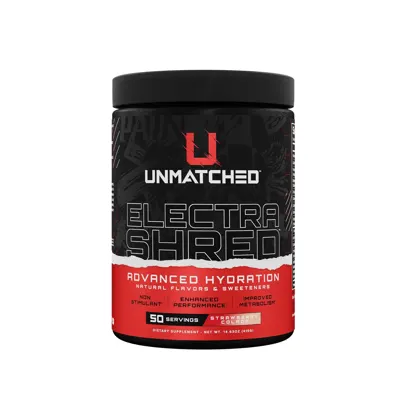 Unmatched Nutrition Unmatched Nutrition Electrashred Hydration - 50 Servings | 50 servings Out of stock | $44.99 | — | 49 minutes ago | Go to store |
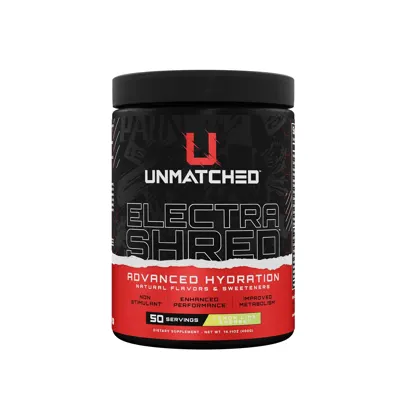 Unmatched Nutrition Unmatched Nutrition Electrashred Hydration Lemon Lime Sherbet - 50 Servings | 50 servings Out of stock | $44.99 | — | 49 minutes ago | Go to store |
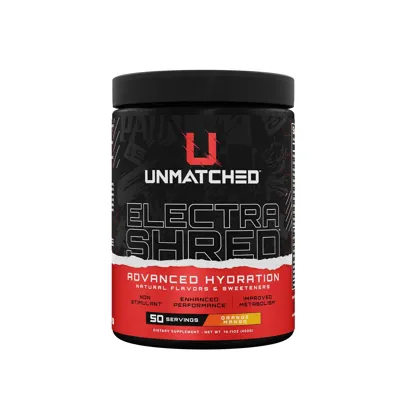 Unmatched Nutrition Unmatched Nutrition Electrashred Hydration Orange Mango - 50 Servings | 50 servings Out of stock | $44.99 | — | 49 minutes ago | Go to store |
$42.00 | — | 50 minutes ago | Go to store |


Page 4 of 4 (96 products)
Hydration & Electrolytes: Frequently Asked Questions
Do I need an electrolyte drink?
For short, moderate workouts, water and normal meals are usually enough. Electrolytes matter more for long sessions, hot weather, heavy sweating or a low-carb diet.
How much sodium should an electrolyte mix have?
It depends on how much you sweat. Everyday mixes may have a few hundred milligrams per serving; endurance products can exceed 1,000 mg. Match it to your activity instead of assuming more is better.
Are sugar-free electrolyte mixes as good?
For hydration during everyday activity, yes. Sugar helps fluid absorb faster and supplies energy during long efforts, so it has a purpose in endurance sports, but it isn't needed for most daily use.
Can I drink electrolytes every day?
Many people do. If you are on a sodium-restricted diet or have high blood pressure, kidney or heart conditions, talk to a doctor before using high-sodium products regularly.
Electrolyte powder or tablets?
The minerals are the same; the difference is convenience and dose. Powders often carry more per serving and can include carbohydrate; tablets are easy to carry and usually lower in sodium.
Hydration and electrolyte mixes add sodium, potassium and often magnesium to water. When comparing them, the key numbers are sodium per serving (it varies from under 100 mg to over 1,000 mg), sugar content and cost per serving. The right product depends on how much and how long you sweat, not on the length of the ingredient list.
What Electrolytes Do
Electrolytes are minerals that carry an electrical charge and help regulate fluid balance, nerve signals and muscle function. Sodium is the one lost in the largest amounts in sweat, followed by potassium, with smaller amounts of magnesium and calcium.
For most people doing short, moderate workouts, water and normal meals replace what is lost. Electrolyte products matter more for long sessions, hot conditions, heavy sweaters and low-carb diets.
Sodium Is the Number to Compare
Products differ most in sodium: some are closer to flavored water, others are built for endurance athletes. A heavy sweater in the heat may lose well over 1,000 mg of sodium per hour; someone lifting for 45 minutes loses far less. Match the sodium to your situation rather than assuming more is better.
Sugar or No Sugar?
Some mixes include sugar, which speeds fluid absorption and supplies energy during long efforts. For everyday use or low-calorie goals, sugar-free versions sweetened with stevia or sucralose are common. Neither is better in general; it depends on the activity.
Who Should Be Careful?
People on a sodium-restricted diet, with high blood pressure, or with kidney or heart conditions should talk to a doctor before using high-sodium products regularly.
What to Look for When Comparing Prices
Compare cost per serving and sodium per serving together. A cheap tub with little sodium may cost more per useful dose than a pricier, more concentrated one.