Amino Acids Prices
794 products tracked. Amino acid supplements such as EAAs, BCAAs, glutamine and citrulline are taken around training, often as a flavored drink between meals or during a session.
| Product | Variant | Price | Discount | Status | |
|---|---|---|---|---|---|
| 88 servings | $39.99 | — | 57 minutes ago | Go to store | |
$32.00 | — | 58 minutes ago | Go to store | ||
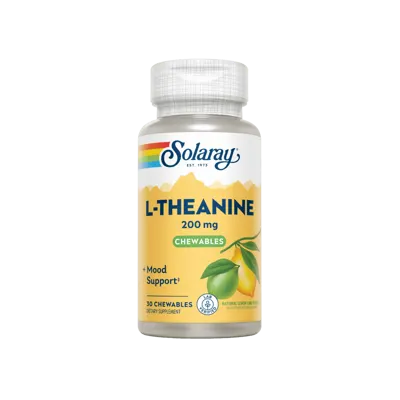 Solaray Solaray L-Theanine - 30 | Out of stock | $14.99 | — | 57 minutes ago | Go to store |
$32.00 | — | 58 minutes ago | Go to store | ||
| 34 servings | $34.99 | — | 58 minutes ago | Go to store | |
| 26 servings | $39.99 | — | 58 minutes ago | Go to store | |
 BulkSupplements Taurine Capsules - Capsule / 360 Capsules | 360 capsules | $21.96 | — | 58 minutes ago | Go to store |
BulkSupplements Taurine Capsules - Powder / 1 Kilogram (2.2 lbs) | 1 kg | $31.97 | — | 58 minutes ago | Go to store |
BulkSupplements Taurine Capsules - Powder / 100 Grams (3.5 oz) | 100 g | $19.97 | — | 58 minutes ago | Go to store |
BulkSupplements Taurine Capsules - Powder / 250 Grams (8.8 oz) | 250 g | $21.97 | — | 58 minutes ago | Go to store |
BulkSupplements Taurine Capsules - Powder / 500 Grams (1.1 lbs) | 500 g | $24.97 | — | 58 minutes ago | Go to store |
 BulkSupplements Taurine Powder - Capsule / 360 Capsules | 360 capsules Out of stock | $18.97 | — | 58 minutes ago | Go to store |
BulkSupplements Taurine Powder - Powder / 1 Kilogram (2.2 lbs) | 1 kg | $31.97 | — | 58 minutes ago | Go to store |
BulkSupplements Taurine Powder - Powder / 100 Grams (3.5 oz) | 100 g | $19.97 | — | 58 minutes ago | Go to store |
BulkSupplements Taurine Powder - Powder / 250 Grams (8.8 oz) | 250 g | $21.97 | — | 58 minutes ago | Go to store |
BulkSupplements Taurine Powder - Powder / 5 Kilograms (11 lbs) | 5 kg | $144.97 | — | 58 minutes ago | Go to store |
BulkSupplements Taurine Powder - Powder / 500 Grams (1.1 lbs) | 500 g | $24.97 | — | 58 minutes ago | Go to store |
 Momentous Tyrosine | $19.99 | — | 58 minutes ago | Go to store | |
| 180 servings | $99.00 | — | 58 minutes ago | Go to store | |
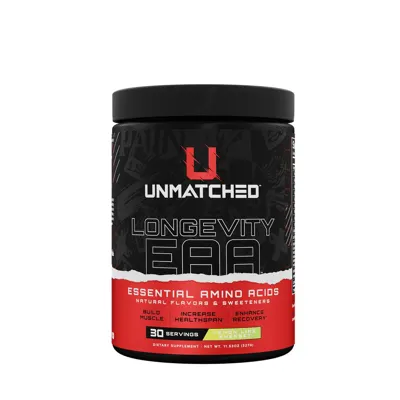 Unmatched Nutrition Unmatched Nutrition Longevity EAA Lemon Lime Sherbet - 30 Servings | 30 servings Out of stock | $44.99 | — | 57 minutes ago | Go to store |
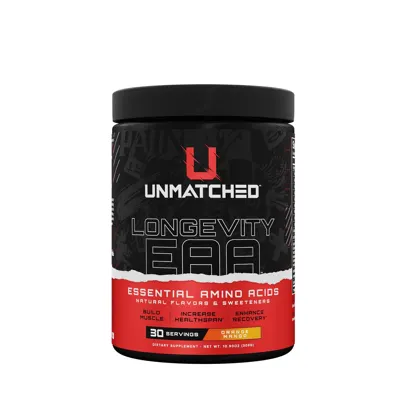 Unmatched Nutrition Unmatched Nutrition Longevity EAA Orange Mango - 30 Servings | 30 servings Out of stock | $44.99 | — | 57 minutes ago | Go to store |
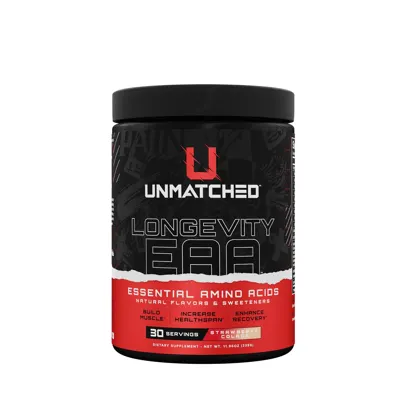 Unmatched Nutrition Unmatched Nutrition Longevity EAA Strawberry Colada - 30 Servings | 30 servings Out of stock | $44.99 | — | 57 minutes ago | Go to store |
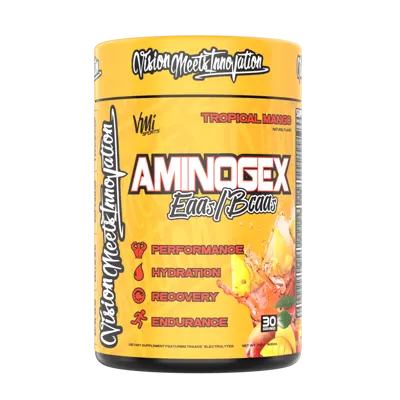 VMI SPORTS Vmi Aminogex EAAs / BCAAs + Hydration | $39.99 | — | 57 minutes ago | Go to store | |
 Momentous Vital Aminos | $49.99 | — | 58 minutes ago | Go to store |


Page 33 of 34 (794 products)
Amino Acids: Frequently Asked Questions
What is the difference between BCAA and EAA?
EAAs (essential amino acids) are all nine amino acids the body can't make. BCAAs are three of them (leucine, isoleucine, valine). So BCAAs are a subset of EAAs.
Do I need BCAAs if I take protein powder?
Usually not. Whey protein is already rich in BCAAs; for someone meeting their daily protein target there is no strong evidence that extra BCAAs help. This is the most debated point about BCAA supplements.
What does glutamine do?
Glutamine is one of the most abundant amino acids in the body, which normally makes enough of it. Evidence that supplementing it improves performance in athletes is limited.
When should I take amino acids?
There is no strong evidence that timing makes a clear difference. Taking them during or around training is common, but total daily protein and amino acid intake matters much more.
What are arginine and citrulline used for?
Both support nitric oxide production, which is linked to blood flow, so they are associated with the "pump" during training. Citrulline is widely considered better absorbed than arginine for this purpose.
Do amino acid supplements build muscle?
No supplement builds muscle on its own. Muscle growth depends on training, enough total protein and rest; amino acid supplements can complement that picture, not replace it.
Can I take amino acids on an empty stomach?
Yes; they absorb quickly and rarely upset the stomach. It varies by person, though. If you feel discomfort, try them with a light snack.
EAA powder or capsules?
The active ingredient is the same; the difference is convenience and cost. Powders are usually cheaper per gram and easy to dose; capsules are portable but need many pills for the same amount.
The first distinction when comparing amino acid supplements is BCAA (three branched-chain amino acids) versus EAA (all nine essential amino acids). EAAs include every amino acid in a BCAA, so they are generally considered more complete for muscle protein synthesis, but for someone who already eats enough protein (whey, meat, eggs), either adds little.
BCAA or EAA? The Core Difference
BCAAs (branched-chain amino acids) are leucine, isoleucine and valine, focused on leucine, the main signal for muscle protein synthesis. EAAs (essential amino acids) are all nine amino acids the body can't make itself, and the three BCAAs are among them.
The leucine signal alone isn't enough to build muscle protein; the other eight essential amino acids are needed too. That is why sports nutrition research in recent years has favored EAAs as the more complete option.
Do You Need Them If You Already Eat Enough Protein?
If you already meet your daily protein needs from complete sources (whey, meat, eggs, dairy, soy), extra BCAAs or EAAs add limited benefit for muscle growth, since complete proteins already contain every essential amino acid. They make the most sense when training fasted or when reaching a daily protein target is hard.
Amino Acid Profile and Ratios
Ratios such as "2:1:1" or "4:1:1" on BCAA products describe leucine:isoleucine:valine. A higher leucine ratio usually means a stronger synthesis signal, but it matters less than the total amount. Compare grams per serving, not just the ratio.
When to Take Them
BCAAs and EAAs are usually taken during or around training; mixed in water, they digest quickly. On long fasted cardio sessions they are sometimes used to limit muscle breakdown for energy.
Glutamine and Other Amino Acids
Glutamine is linked to immune and gut health, but its direct effect on muscle growth is not as well supported as BCAAs or EAAs; some products add it. Citrulline is an amino acid too, but its main effect is on blood flow and the pump, a different mechanism from muscle protein synthesis.
What to Look for When Comparing Prices
The same rule applies: compare total grams of amino acids and leucine per serving, not tub price. Some products list many amino acids at low doses under an "amino complex" name, which is usually label length for marketing rather than effective doses.